How to Prepare Your Home for Bed Bug Treatment
The exterminator is booked. Wash hot, dry 30 minutes on high, bag everything, and move the bed off the wall. The full prep checklist, in order.

In this guide
The exterminator is booked and the appointment is coming. What you do before they arrive decides whether the treatment works the first time or has to be repeated.
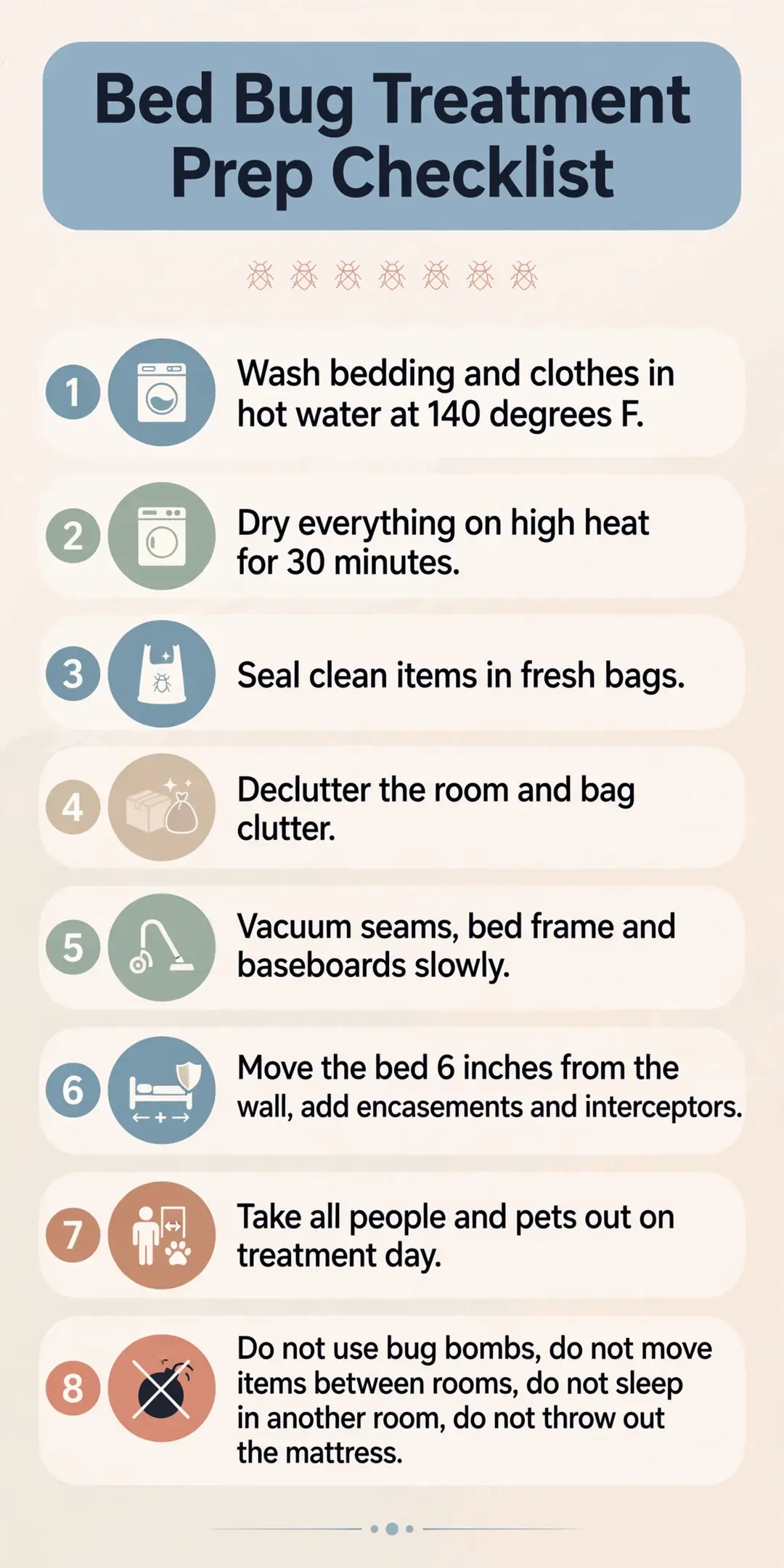
The work is mostly laundry and decluttering, not buying things. This is the whole protocol in the order that matters, with the numbers stated once.
Quick Answer:
- Wash bedding and clothing in hot water.
- Dry everything on high heat for 30 minutes.
- Seal clean items in fresh bags.
- Declutter the room.
- Vacuum the seams and baseboards.
- Move the bed at least 6 inches from the wall.
The three numbers that matter are a 140°F wash, 30 minutes on high in the dryer, and a 6-inch gap behind the bed.
The Prep Checklist in 60 Seconds
Start as soon as the appointment is booked, not the night before. The heavy work is laundry and decluttering, and both take longer than you think.
Work in the order of the checklist above. Laundry comes first because the dryer is the one tool that kills every stage, and the room comes second because the technician needs to reach every edge. Nothing on the list needs a purchase except sealed bags and, if you do not have them yet, mattress encasements.
If your company’s prep sheet says something different from this article, follow theirs. They know which treatment they are bringing, and the prep changes with it.
Before You Lift Anything: Confirm It and Book It
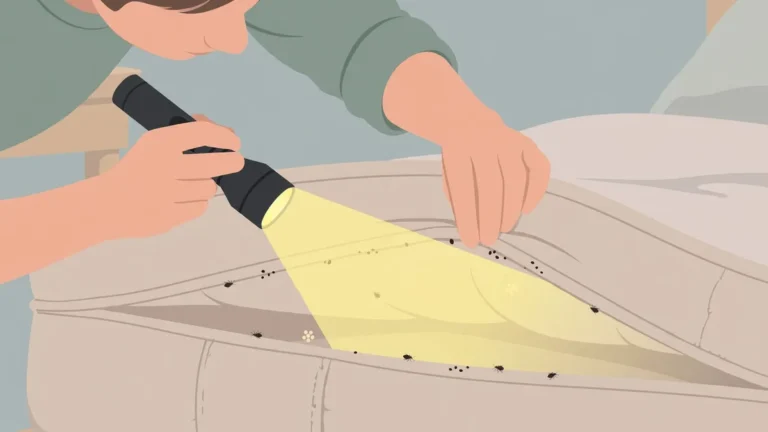
Confirm it is really bed bugs before you spend a weekend preparing. Researchers at the University of Minnesota found that 76 percent of samples people send in for identification turn out to be something else. A live bug in a mattress seam is proof. Bites alone are not.
If you have not seen the bug itself, what bed bugs look like will settle it in a few minutes. If you have marks on the sheets but no bug in hand, check the early signs of bed bugs first.
If you rent, tell your landlord now. They arrange the treatment in most rentals, and they need time to book the company. If you own the home, book the company yourself and ask one question before you hang up. Which treatment is it, heat or chemical? The answer decides what you do with the bedding, and the next sections split on it.
Laundry First: Wash Hot, Dry Hotter
The dryer does the killing, not the wash. Washing alone might not do the job. Heat is what kills bed bugs and their eggs, and the dryer is the fastest way to deliver it.
What Goes in the Wash, and What Goes in the Dryer Only
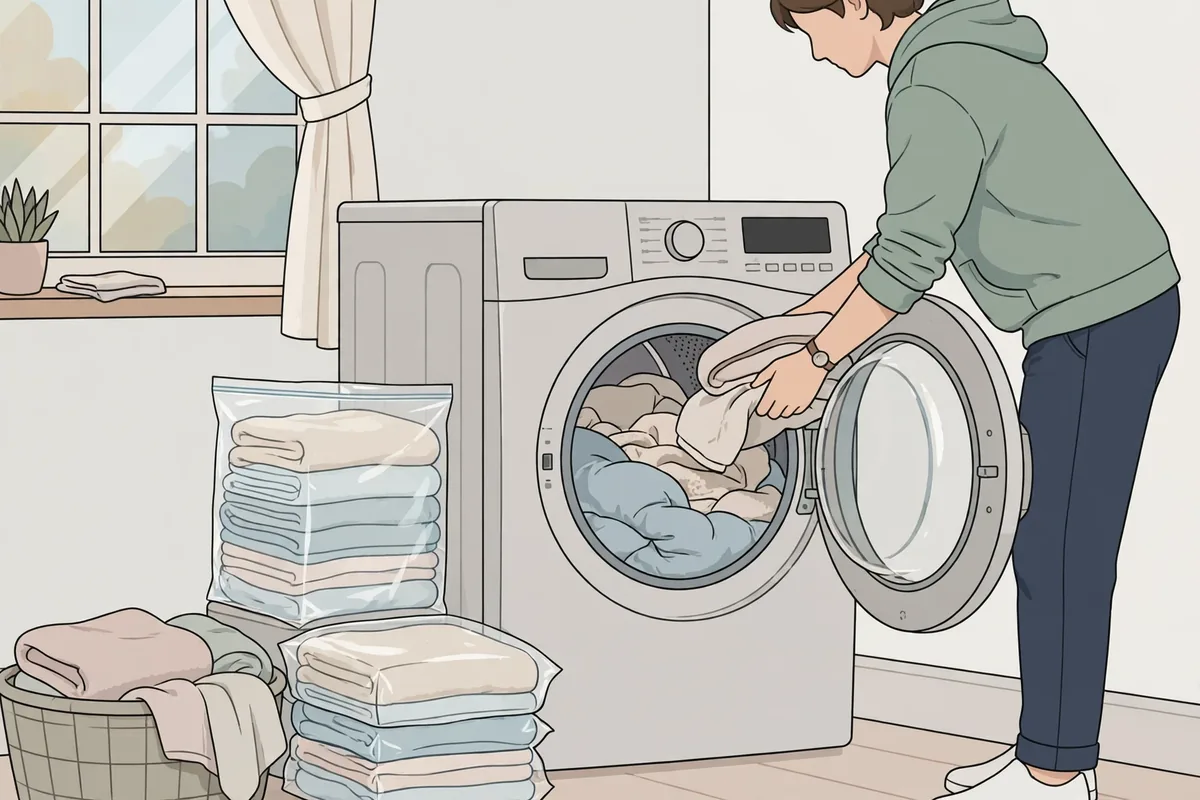
Washable fabric goes through both steps. That means bedding, curtains, clothing, stuffed toys and pillows. Bag each load in the room before you carry it, so nothing falls off in the hall, and seal the clean load in a fresh bag as soon as it comes out of the dryer.
Clothes that cannot be washed do not need the wash at all. They only need the heat, so they go straight in the dryer. A dryer with a removable shelf takes shoes and other items that cannot tumble.
Drapes come down with their hardware, and both get the same treatment. Curtains are a hiding place people forget, and the hardware holds eggs in its joints.
What the Numbers Are
Wash in hot water, 140°F, on the hottest setting the fabric allows. Dry on high heat for 30 minutes, with the drum loosely filled so the heat reaches every fold. A packed dryer leaves cool pockets where bugs survive.
The temperature that kills every stage is 122°F, and a dryer on high runs hotter than that. That is why 30 minutes on high is the number to remember, and why the wash on its own is never enough.
The Room, Item by Item
Everything in the room sorts into two tracks, the laundry pile and the sealed bag. Walk the room with those two destinations in mind, and nothing gets carried somewhere it should not go.
The Bedroom First
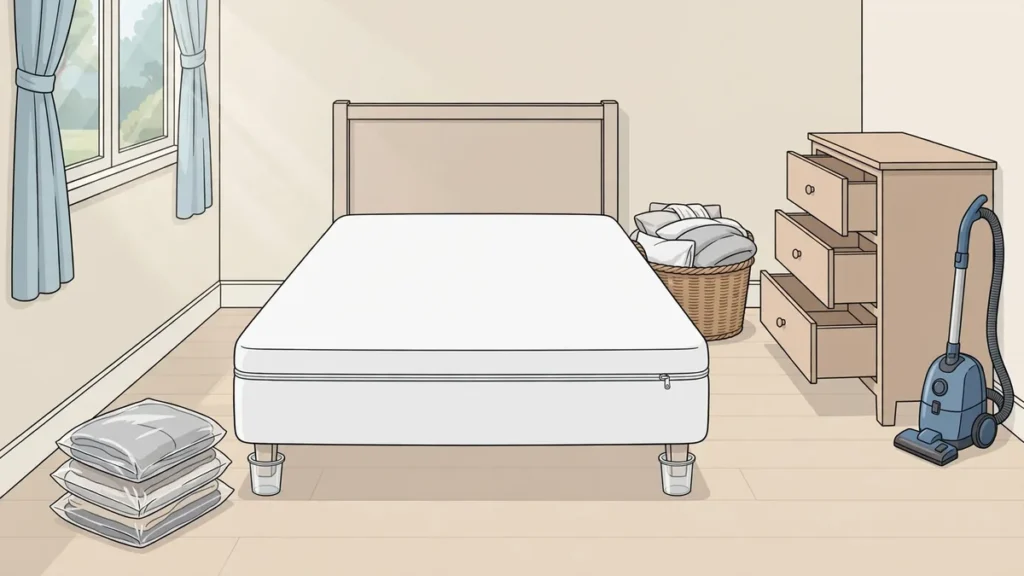
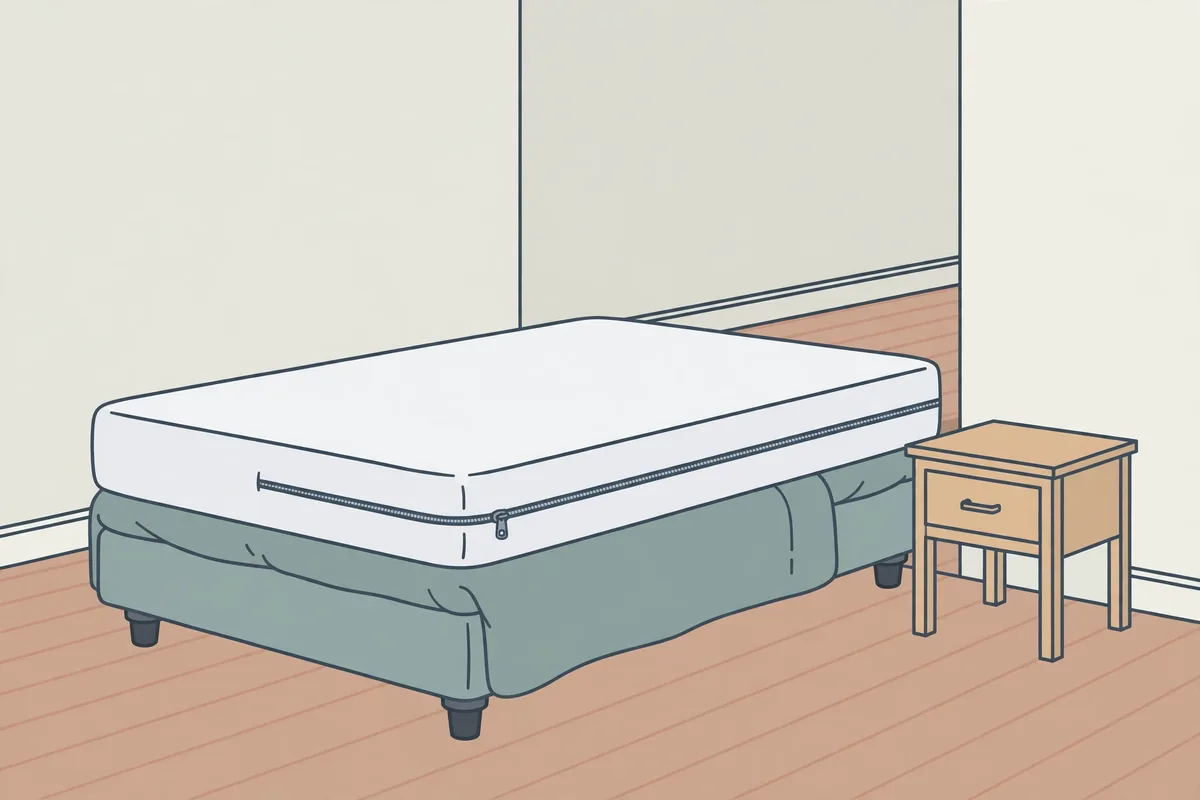
Start with the bed, because about 85 percent of bed bugs are found in or near it. Pull it at least 6 inches from the wall and tuck all bedding under the mattress so nothing touches the floor. Nothing that touches the floor is a bridge the bugs can walk across.
Put encasements on the mattress and the box spring, with the zippers fully closed, and leave them on. They are built to last at least a year, and the bugs trapped inside starve. Put interceptors under each bed leg and check them daily at first. Keep them in place for at least a year, because they are how you will know if the bugs are gone.
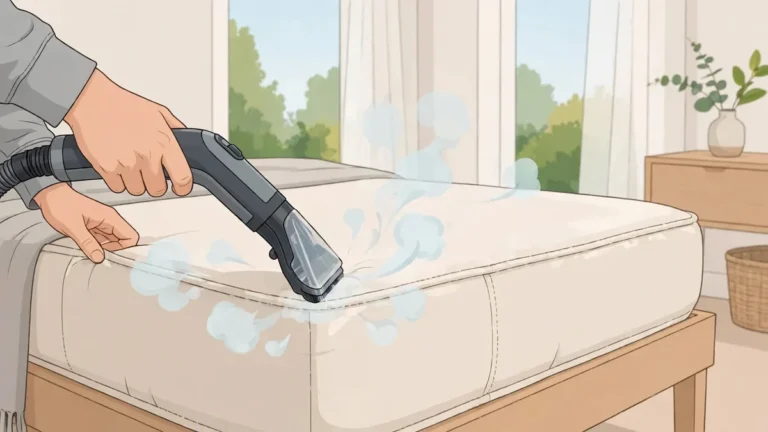
Empty the closets and dressers in the affected room, and move every piece of furniture a few inches from the walls so the technician can reach the edges. Vacuum the mattress seams, the bed frame, the baseboards and the carpet edges slowly, then seal the vacuum bag in a plastic bag and put it in the outside trash.
Electronics, Books, Shoes, Toys and Plants
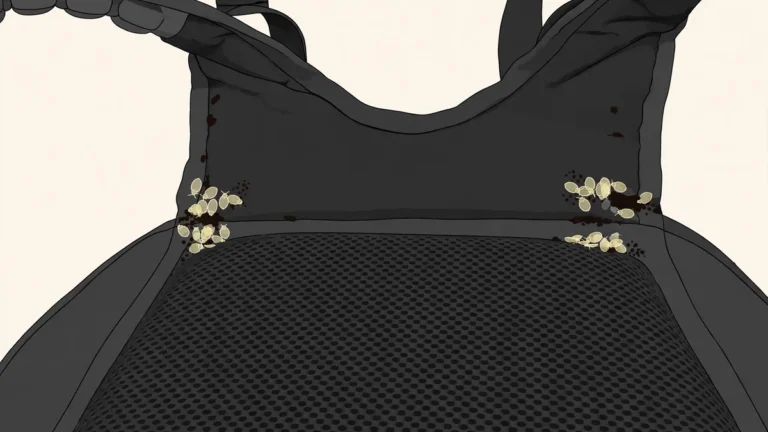
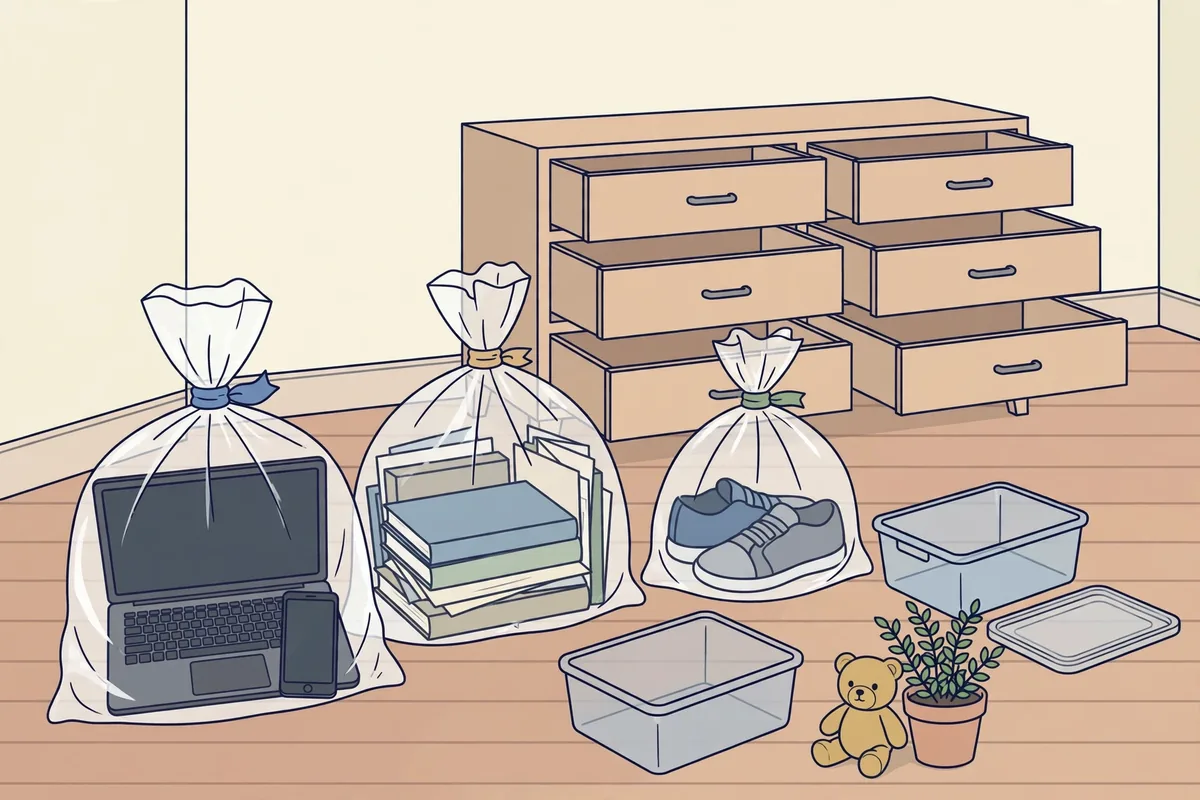
Hard toys, electronics, books and papers, and breakable items that cannot be washed go in sealed plastic bags or bins until they can be inspected and treated. Point out the electronics and any delicate finishes to the technician when they arrive.
Check inside smoke detectors, clocks and phones, and behind outlet and switch plates. Bed bugs hide in all of them, and the technician needs to know they are there.
A sealed bag is storage, not a cure. Bed bugs can go months without a meal, so an item stays sealed until the technician inspects it. Do not open a bag in a clean room to check on it.
The Rest of the Home
Only prep the rooms with evidence of bed bugs. Do not strip rooms that do not need it. The kitchen and bathroom only need prep if bugs have been found there.
Replace cardboard boxes with plastic bins. Bed bugs hide in cardboard, and a plastic bin gives them nowhere to go. Vacuum the couches, chairs and recliners too, and turn them over to reach the underside. Give the technician access to the walls, closets and the areas around the furniture, because treatment only works where it can reach.
Pets, Fish and Plants on Treatment Day
Everyone leaves the home for the treatment, and every pet leaves too. That includes dogs and cats, and it includes birds, fish and reptiles. Birds are the most sensitive to airborne chemicals, so ask your company about their cages first.
Fish tanks are covered or removed, and the air pump is turned off. A covered tank with the pump running pulls treated air into the water, so the pump stays off until the room is aired out.
Live plants come out for a heat treatment, because the heat kills them. For a chemical treatment, cover them or take them out as your company directs. Pet bedding is laundered like your own bedding, and pet food dishes are emptied, cleaned and covered.
Your company will tell you when to come back in. The time varies with the method, so do not take a number from the internet. Once you are back inside, air the rooms for an hour.
Heat or Chemical: The Prep Is Different
The prep depends on the treatment, and doing the wrong one wastes the work. Ask which treatment is booked before you start, because the two lists split on one question. Does the bedding stay or go?
If It’s Heat Treatment
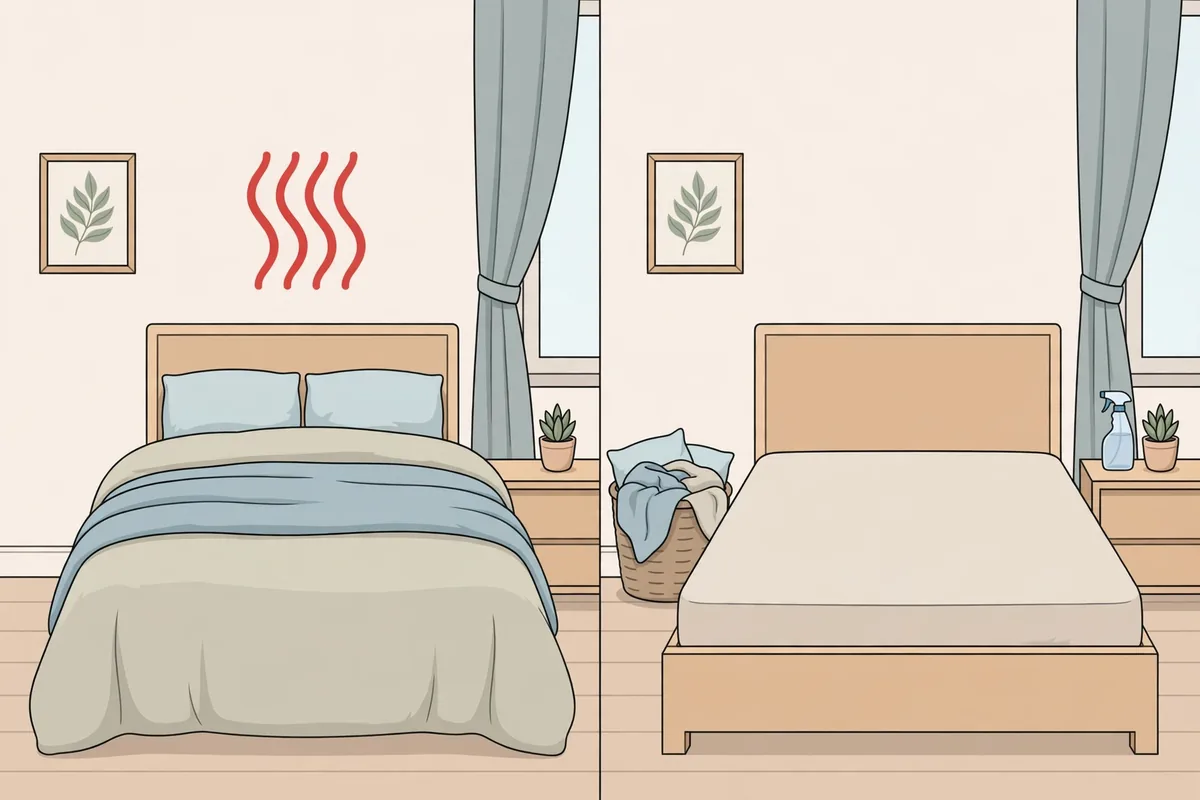
Leave the clothing and bedding in place. The heat kills the bugs in the fabric, so stripping the bed only moves them somewhere the heat cannot reach as well. Open all closet doors and dresser drawers so the heat circulates.
Take out the things heat damages. Your company will give you a list, and the usual items are candles and wax, vinyl records, aerosol cans, lighters, medicines, cosmetics, chocolates, fresh food and live plants. Heat treatment usually needs the least prep of the three methods, because the heat does the work the laundry would do.
If It’s Chemical Treatment
Strip all the bedding and launder it, hot wash and high-heat dry, and do the same for all the clothing in the affected room. Empty the closets and dressers, move the furniture off the walls, and vacuum thoroughly.
Check behind the outlet and switch covers for bugs, and tell the technician what you found. Bag the children’s toys in sealed bags or bins, and only put back what you know is bug-free.
If It’s Aprehend
Aprehend is a fungal biopesticide some companies offer, and it needs less preparation than a conventional chemical treatment. Ask your company what they need from you, because the prep list is theirs.
What NOT to Do Before Treatment
Bug bombs do not kill bed bugs. The spray never reaches the cracks where they hide, and foggers push bugs into new hiding places instead of killing them. They only add toxins to the room where you sleep.
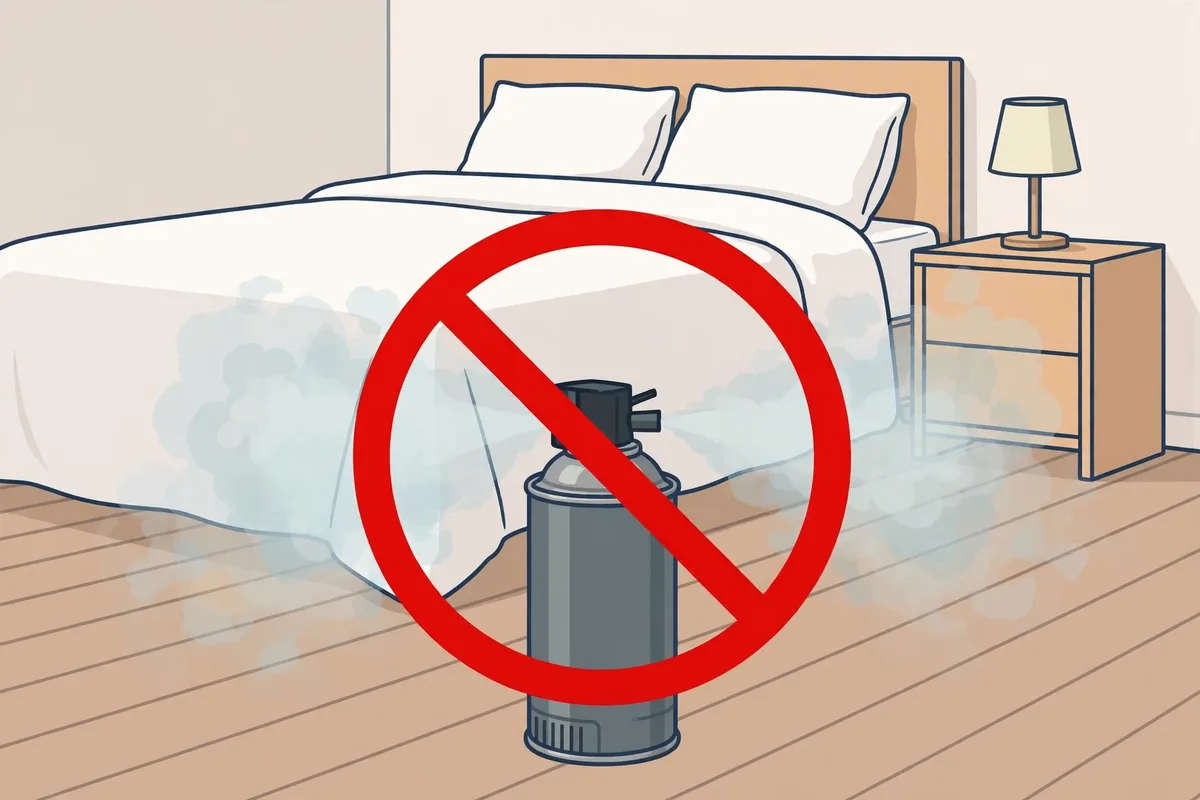
Do not spray shop-bought bug spray on the bed or the room before the visit. It will not kill them, and it only adds chemicals to the place where you sleep. Your company needs clean surfaces to treat, not ones coated in a spray that does not work.
Sort nothing in a clean room. Anything that has to leave the room goes in a sealed bag first, because one bug carried down the hall seeds a new room. Moving items between rooms is the most common way the problem spreads.
Do not sleep in another room to escape the bites. Bed bugs follow the sleeper, drawn by the warmth and the carbon dioxide you breathe out, so the new room gets infested too. Stay in your own bed and let the treatment work.
Do not throw out the mattress. Treat it and encase it instead, because hauling it through the halls spreads bugs and the replacement gets infested within days. An encased mattress is a treated mattress, not a lost one.
Treatment Day: What Happens, and the Day After
On treatment day, the technician needs access, working electricity, and the room prepped to the checklist. The heat-sensitive items should already be out, and the pets should already be gone.
Leave the home for the time your company tells you, and air the rooms for an hour once you are back inside.
Do not vacuum or mop treated areas until your company says it is time. The treatment keeps working on the surfaces, and cleaning it off early wastes it.
Sleep in your bed again after treatment. The bed is where the bugs come to feed, and that is how they reach the treated surfaces around it. You may still see bed bugs for a while after treatment, because eggs that were already laid keep hatching for 10 to 15 days. That is expected, not failure, and it is why a follow-up visit is part of the plan.
The treatment itself, the follow-up visits and the timeline are in how to get rid of bed bugs. If you are still unsure whether the marks on your skin are bites, what bed bug bites look like will settle it. Watch for the signs in the weeks after treatment, and the early signs of bed bugs tells you what to look for.

Caleb Morris
Caleb Morris covers bed bugs with a practical approach. His articles explain bites, eggs, hiding places, life cycles, and other topics people search for every day. He believes useful content should answer real questions...
View all guides →