
Ants are one of the most common pests homeowners run into — and one of the trickiest to identify. There are thousands of types of ants out there, but the one crossing your kitchen counter right now is almost certainly one of a small handful that regularly show up in and around homes. Some are harmless. Some sting. A few can even damage the wood in your walls. The five most common household ants are carpenter ants, fire ants, odorous house ants, pavement ants, and little black ants — and you can tell them apart by size, color, smell, and where they nest.
Note: ant species and their exact ranges can vary by country and climate. This guide focuses on the ants most commonly found in and around homes across North America, the UK, and Australia.
- Which Ant Do You Have? Quick ID Chart
- How Many Types of Ants Are There?
- 15 Common Types of Ants
- Most Common Household Ants
- Other Ant Species You May Encounter
- The Different Types of Ants in a Colony
- Types of Ants by Size
- What Are Flying Ants?
- Common Identification Mistakes
- How to Identify Different Types of Ants
- Which Types of Ants Are Harmful?
- How to Get Rid of Common Household Ants
- Ant Photo Gallery
- Frequently Asked Questions
- Final Thoughts
- Related Guides
Which Ant Do You Have? Quick ID Chart
Not sure what you’re looking at? Start here.
| If Your Ant Is… | It’s Likely a… |
|---|---|
| Black, large, near damp or rotting wood | Carpenter Ant |
| Reddish-brown, in a soil mound outdoors, stings | Fire Ant |
| Small, brown, smells like rotten coconut when crushed | Odorous House Ant |
| Dark, tiny, nesting in pavement or concrete cracks | Pavement Ant |
| Solid black, tiny, forming long trails | Little Black Ant |
| Pale yellow, almost see-through, nesting indoors near warmth | Pharaoh Ant |
| Winged, swarming outdoors after rain | Flying (Reproductive) Ant |
How Many Types of Ants Are There?
There are more than 12,000 known ant species worldwide, and researchers believe thousands more haven’t been formally identified yet. In North America alone, over 700 species exist. That said, most homeowners only ever deal with a small handful of them — usually whichever species is drawn to food, moisture, or shelter nearby.
Key takeaway: You don’t need to know all 12,000 species — just the 8 to 10 that actually show up around homes.
15 Common Types of Ants
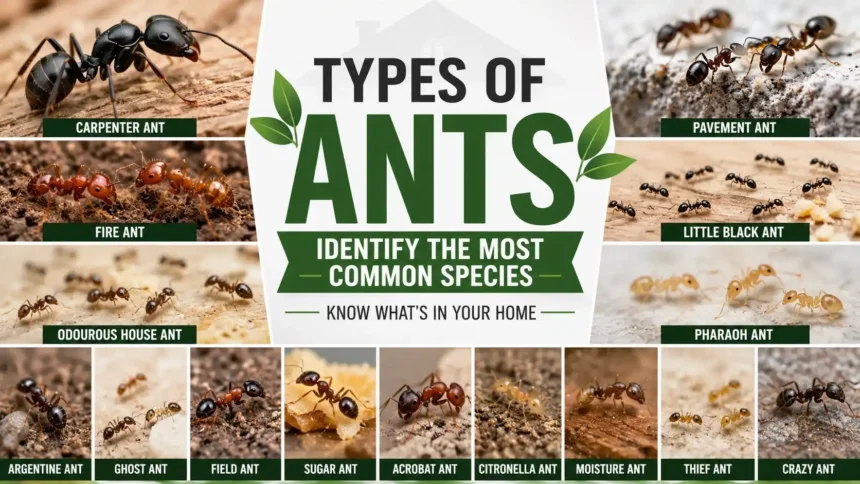
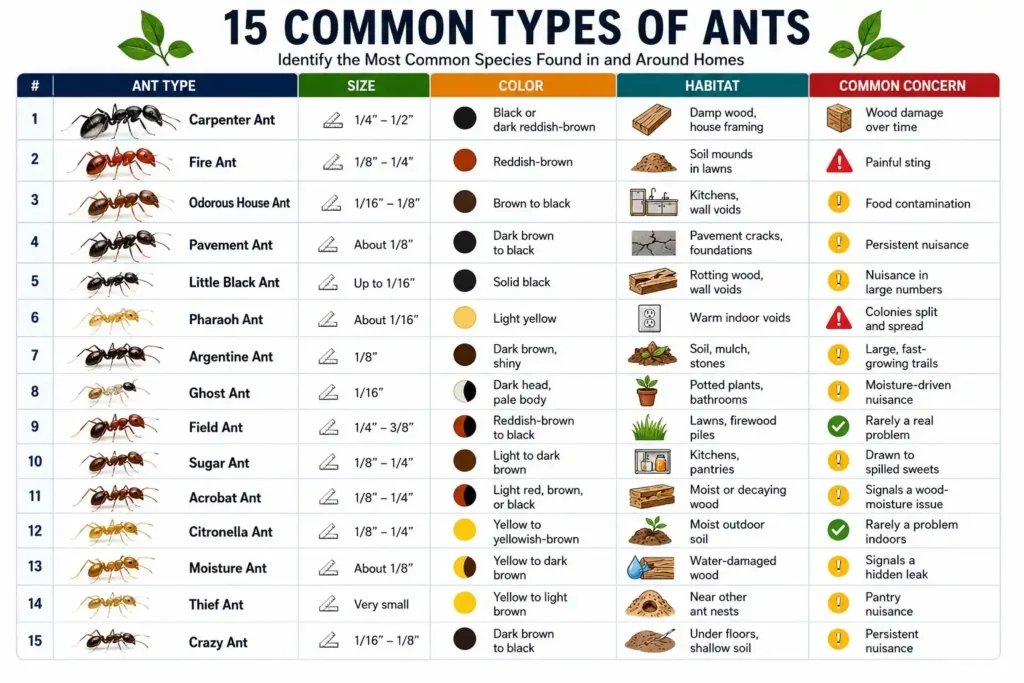
If you’ve found ants indoors, they’re most likely carpenter ants, odorous house ants, pavement ants, pharaoh ants, ghost ants, or little black ants. Here’s a full comparison, followed by a closer look at each species — including where it lives and what kind of problem, if any, it actually causes.
| Ant Type | Size | Color | Habitat | Common Concern |
|---|---|---|---|---|
| Carpenter Ant | 1/4″ – 1/2″ | Black or dark reddish-brown | Damp wood, house framing | Wood damage over time |
| Fire Ant | 1/8″ – 1/4″ | Reddish-brown | Soil mounds in lawns | Painful sting |
| Odorous House Ant | 1/16″ – 1/8″ | Brown to black | Kitchens, wall voids | Food contamination |
| Pavement Ant | About 1/8″ | Dark brown to black | Pavement cracks, foundations | Persistent nuisance |
| Little Black Ant | Up to 1/16″ | Solid black | Rotting wood, wall voids | Nuisance in large numbers |
| Pharaoh Ant | About 1/16″ | Light yellow | Warm indoor voids | Colonies split and spread |
| Argentine Ant | 1/8″ | Dark brown, shiny | Soil, mulch, stones | Large, fast-growing trails |
| Ghost Ant | 1/16″ | Dark head, pale body | Potted plants, bathrooms | Moisture-driven nuisance |
| Field Ant | 1/4″ – 3/8″ | Reddish-brown to black | Lawns, firewood piles | Rarely a real problem |
| Sugar Ant | 1/8″ – 1/4″ | Light to dark brown | Kitchens, pantries | Drawn to spilled sweets |
| Acrobat Ant | 1/8″ – 1/4″ | Light red, brown, or black | Moist or decaying wood | Signals a wood-moisture issue |
| Citronella Ant | 1/8″ – 1/4″ | Yellow to yellowish-brown | Moist outdoor soil | Rarely a problem indoors |
| Moisture Ant | About 1/8″ | Yellow to dark brown | Water-damaged wood | Signals a hidden leak |
| Thief Ant | Very small | Yellow to light brown | Near other ant nests | Pantry nuisance |
| Crazy Ant | 1/16″ – 1/8″ | Dark brown to black | Under floors, shallow soil | Persistent nuisance |
Most Common Household Ants
Carpenter Ant
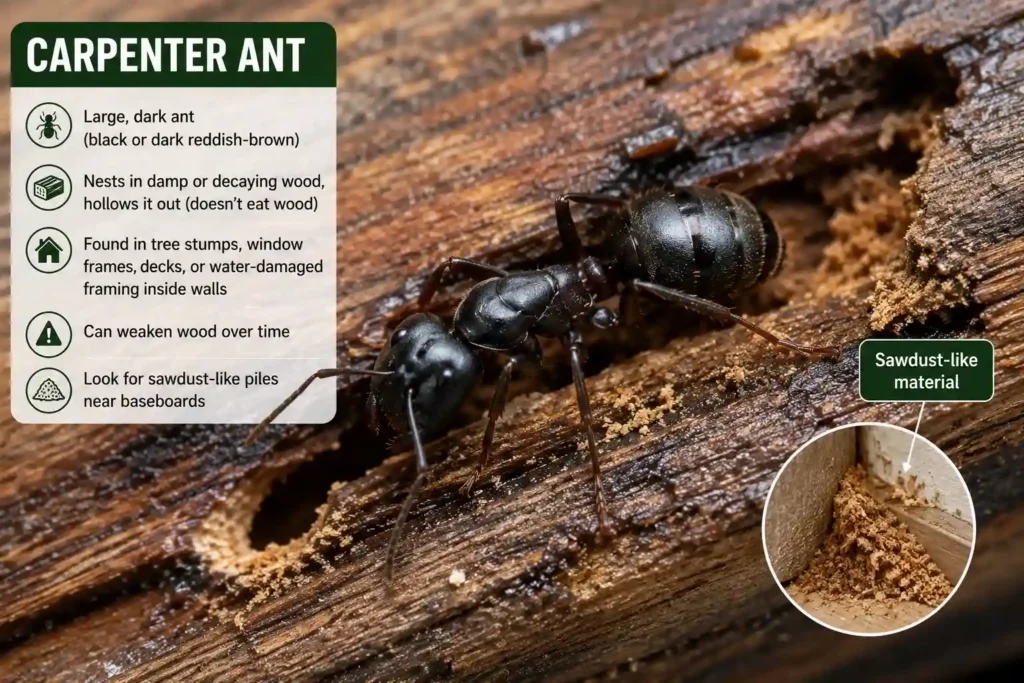
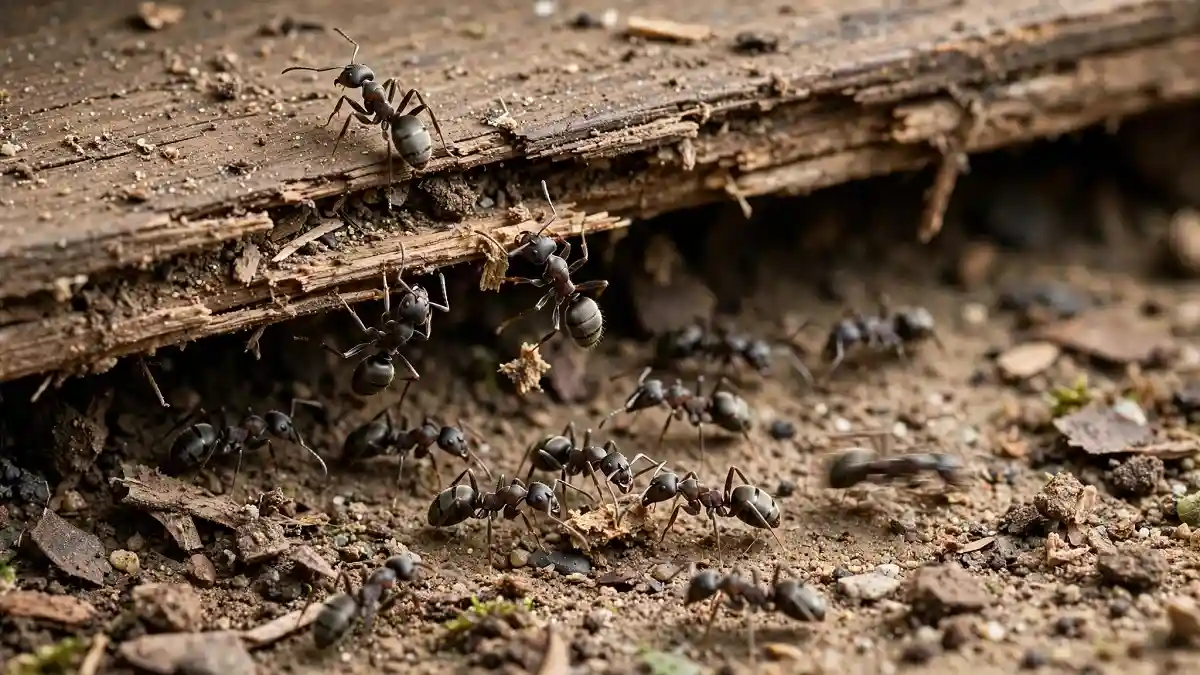
A large, dark ant (black or dark reddish-brown) that tunnels through damp or decaying wood to build its nest — it doesn’t eat the wood, just hollows it out. You’ll usually find it in tree stumps, window frames, decks, or water-damaged framing inside walls. Left alone for years, a colony can weaken the wood it’s nesting in, so small piles of sawdust-like material near baseboards are worth checking out.
Fire Ant (Use Caution)
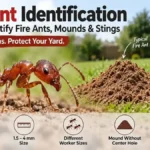
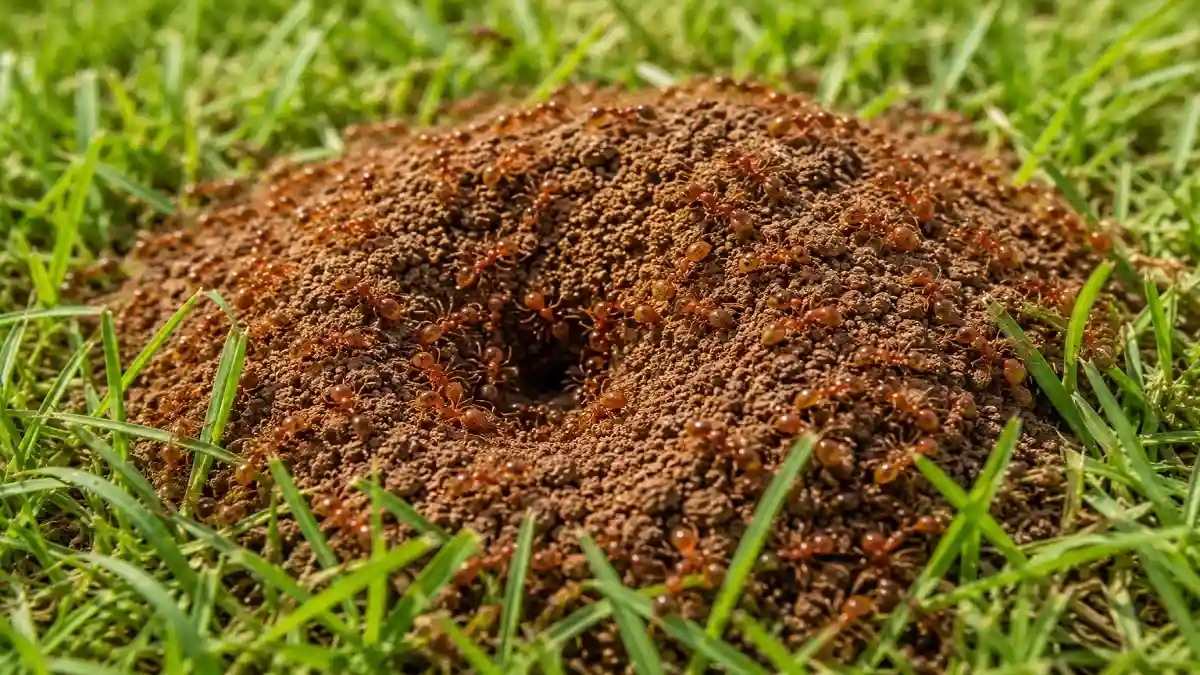
Small and reddish-brown, fire ants build loose soil mounds outdoors in lawns and open fields. They’re aggressive when disturbed and sting in groups — the sting is genuinely painful and can leave a raised welt. This is the one species on this list worth real caution around, especially with kids or pets nearby.
Odorous House Ant
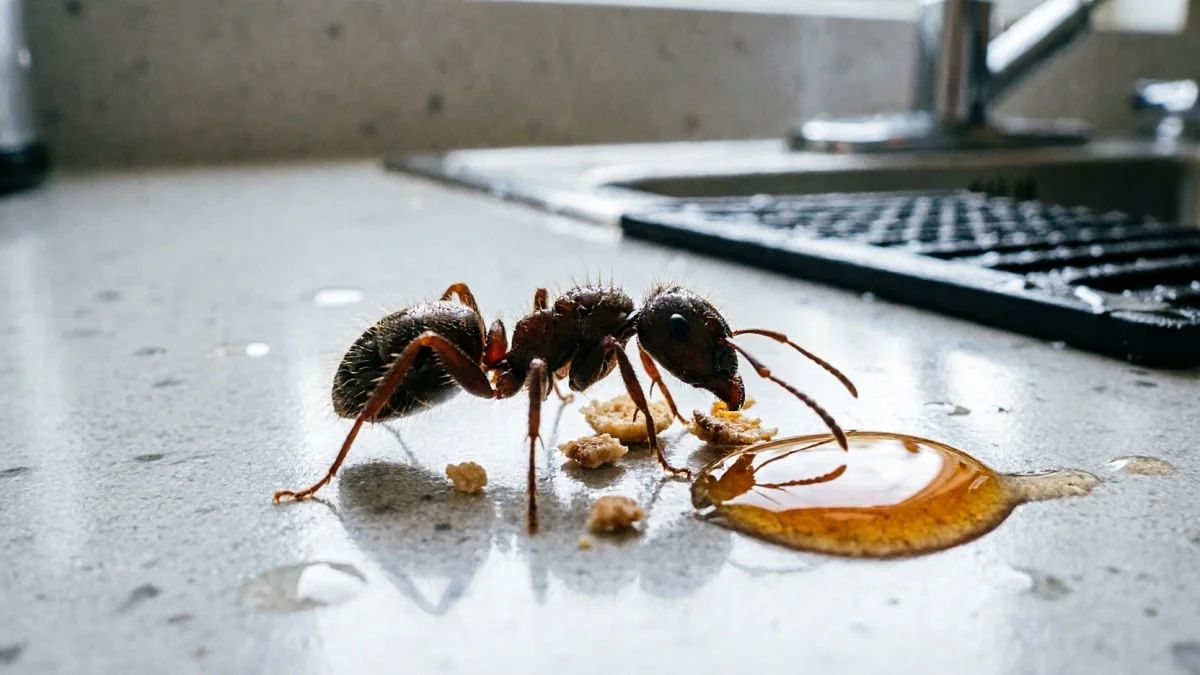
Quick facts: small, brown to black, nests in kitchens and wall voids near moisture or leaky pipes. The giveaway is smell — crush one and you’ll notice a rotten coconut odor. Mostly a food-contamination nuisance rather than a real threat.
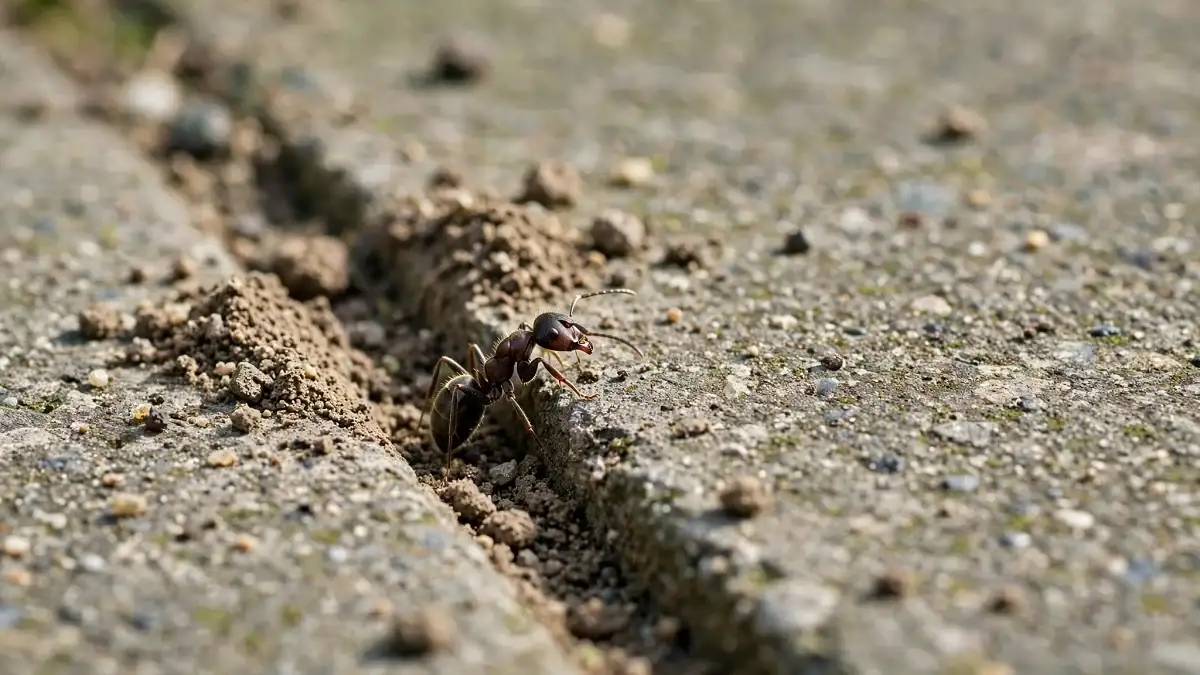
Pavement Ant
Tip: look for small mounds of displaced soil pushing up through cracks in your driveway or sidewalk. That’s usually pavement ants nesting underneath, and indoors they’ll sometimes settle under floors or foundations. Persistent, but harmless.
Little Black Ant
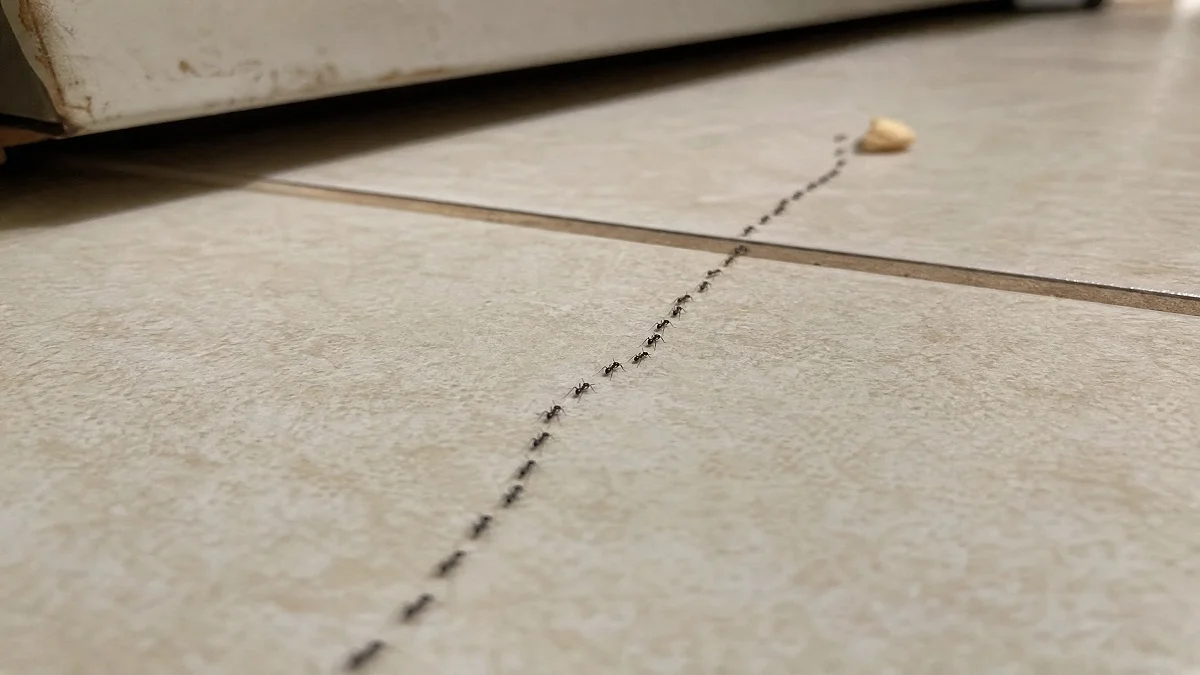
Tiny and solid black, these ants nest in rotting wood, wall voids, or under carpets, and form long, thin trails leading straight to food. Easy to confuse with pavement ants at a glance — the size difference (little black ants are noticeably smaller) is the fastest way to tell them apart. Mostly a nuisance in large numbers.
Other Ant Species You May Encounter
Pharaoh Ant
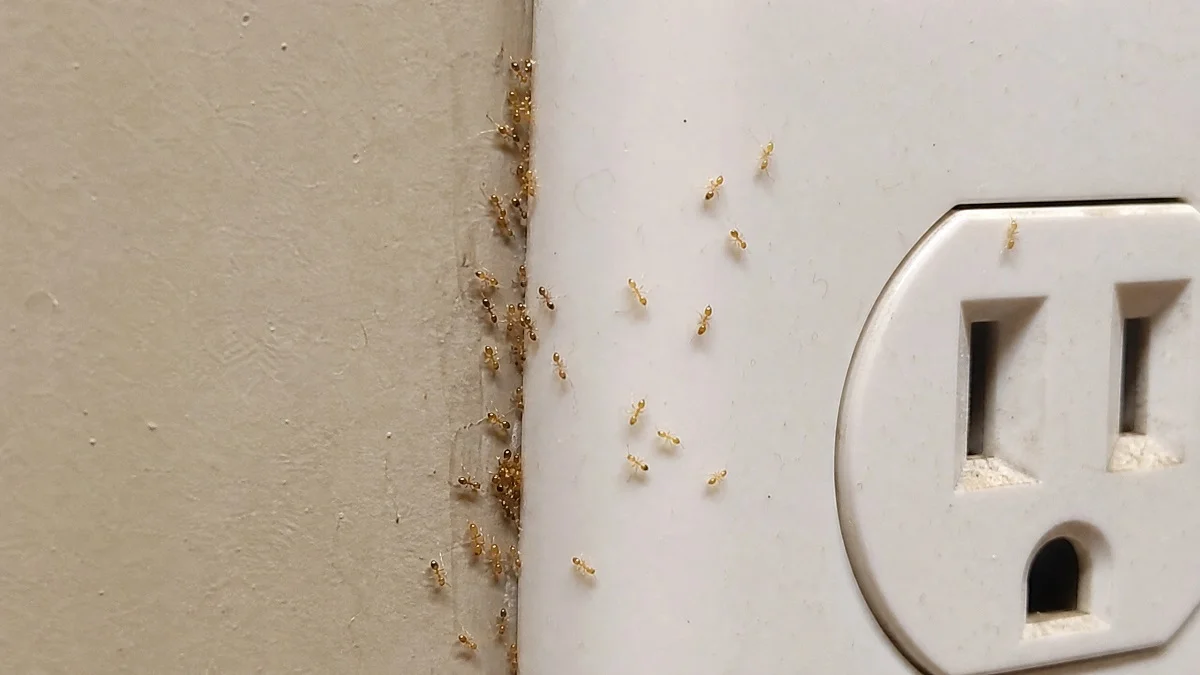
Pale yellow and almost see-through, pharaoh ants nest almost anywhere warm indoors — wall voids, behind appliances, even inside electrical outlets. Their colonies split easily into new nests (a process called budding), so disturbing them can spread the problem rather than solve it.
Argentine Ant
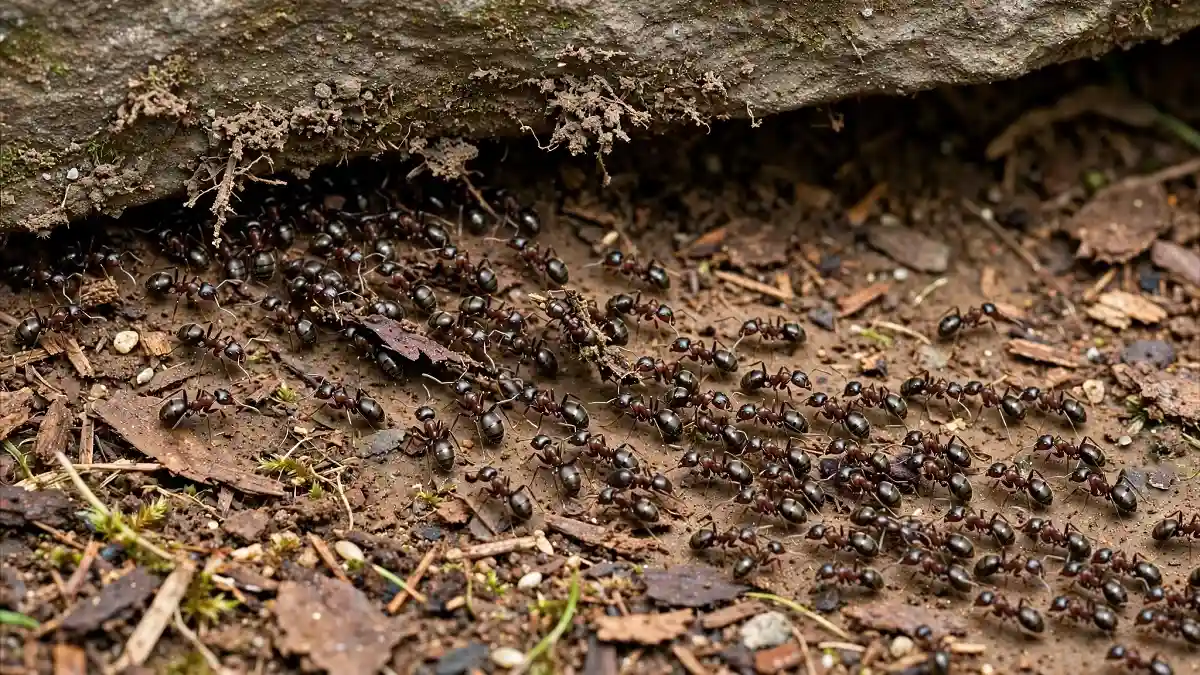
Shiny and dark brown, Argentine ants nest in shallow soil, mulch, or under stones outdoors, and move indoors during heat, drought, or heavy rain. Unlike many species, separate Argentine ant colonies often cooperate instead of competing, which lets their populations grow very large, fast-moving trails and all.
Ghost Ant
Tiny, with a dark head and pale, almost transparent legs and body. Found near potted plants, sinks, and bathrooms wherever moisture collects. Like pharaoh ants, its colonies split into multiple nests, making them tricky to fully clear out once established.
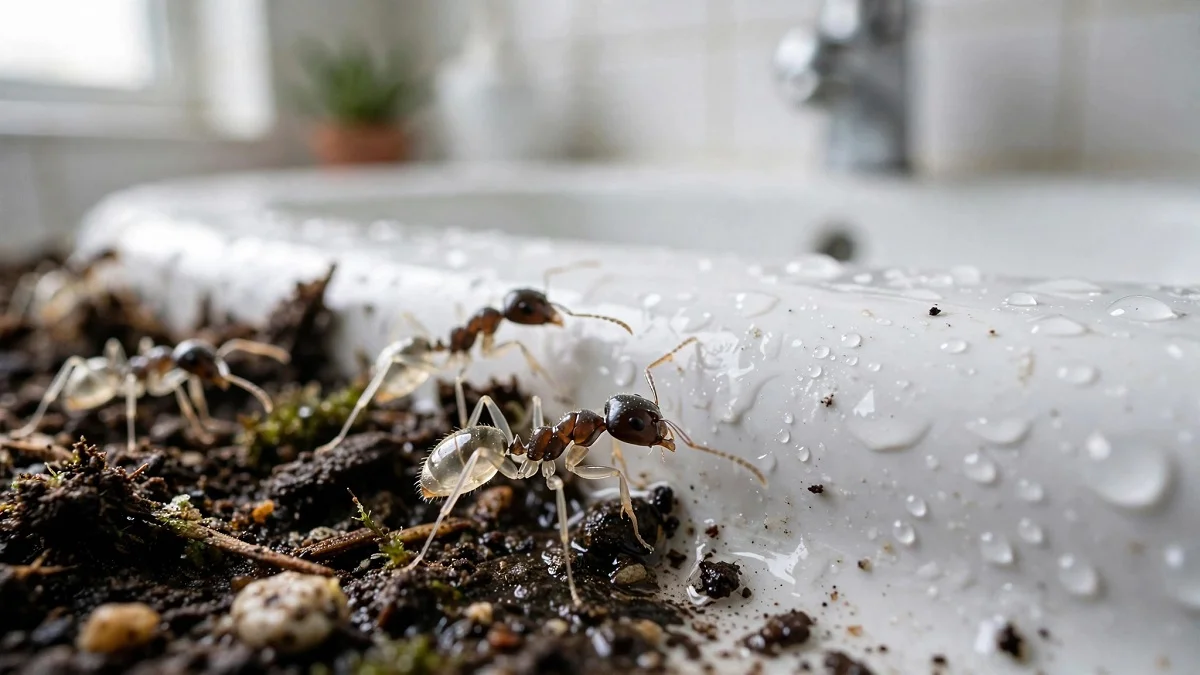
Field Ant
Reddish-brown to black and larger than most ants on this list, field ants build large, noticeable soil mounds in open lawns, sometimes several feet wide. They mostly stay outdoors, though they can nest in firewood piles or mulch close to the house, and rarely cause indoor problems.
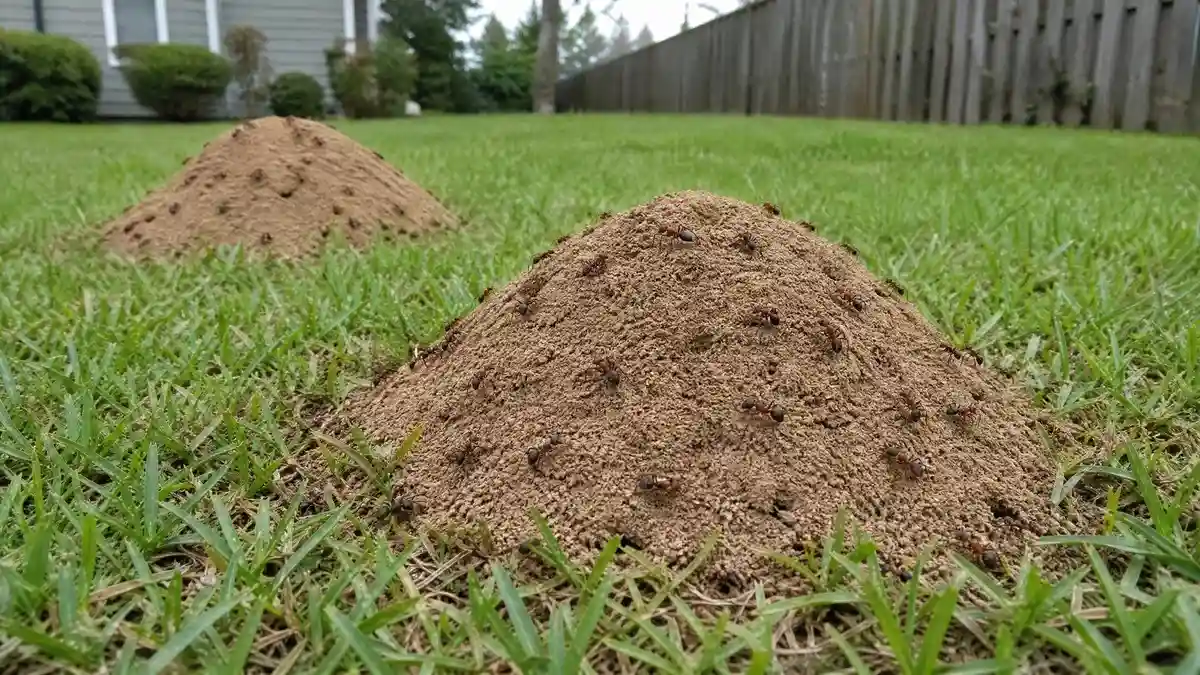
Sugar Ant
Light to dark brown — “sugar ant” is really a nickname for several small species drawn to sweet spills rather than one official species. Found in kitchens and pantries wherever sugar, juice, or crumbs are left out. Not dangerous, just quick to show up.

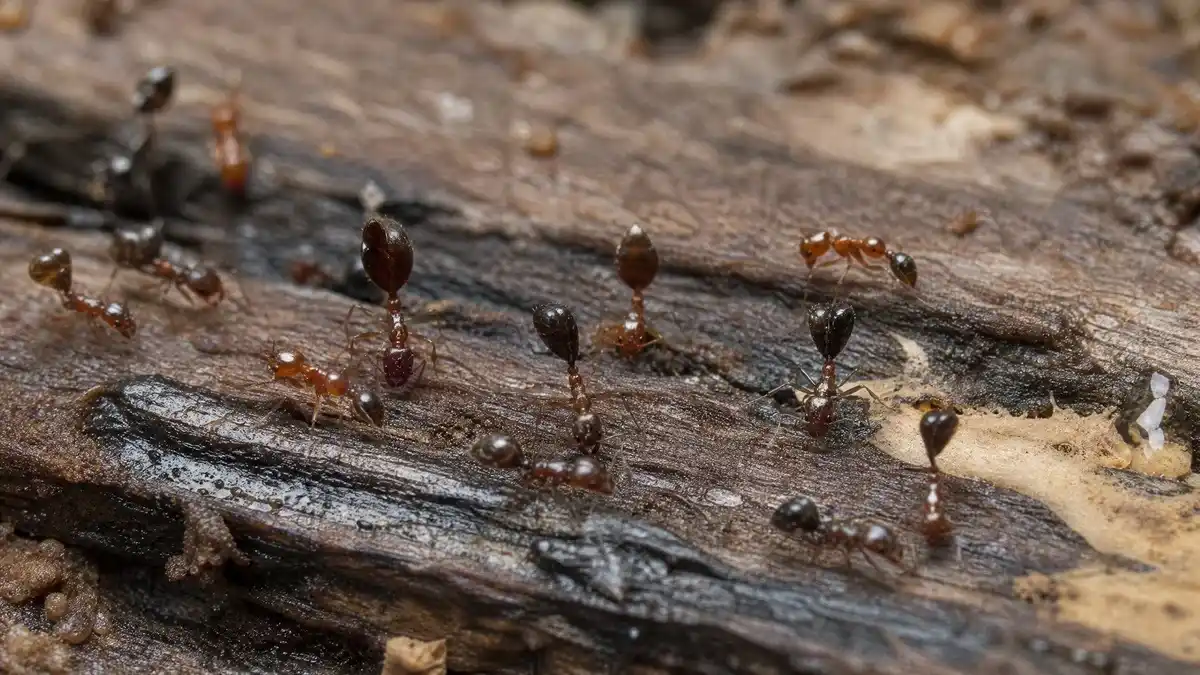
Acrobat Ant
Light red, brown, or black, with a heart-shaped abdomen it raises over its body when disturbed — its most identifiable trait. Nests in moist or decaying wood, including tree stumps, dead limbs, and rotting deck or fence wood. Indoors, it usually follows an existing moisture or wood-decay problem rather than causing one on its own. Colonies tend to stay outdoors, so spotting one inside is often a sign there’s a damp or rotting spot on the structure worth investigating.
Citronella Ant
Small and yellow to yellowish-brown, with a lemongrass-like smell when crushed — hence the name. Nests outdoors in moist soil, often under stones, logs, or debris. It rarely causes indoor problems and is mostly noticed when swarming outdoors during warm months.
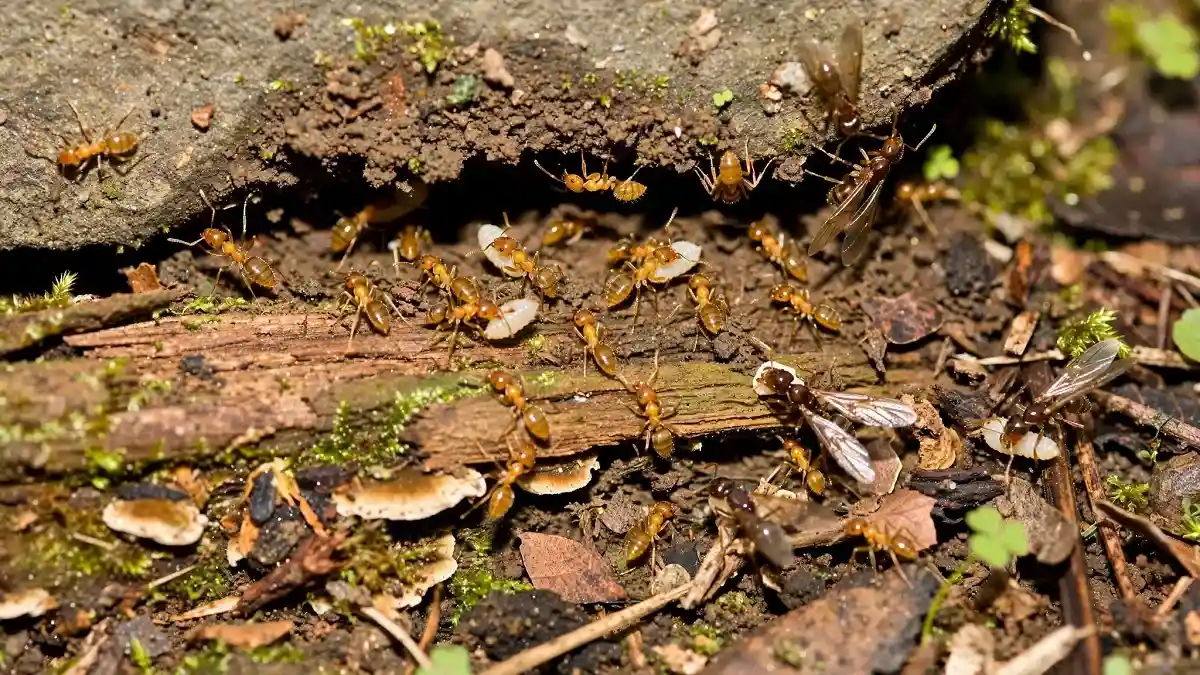
Moisture Ant
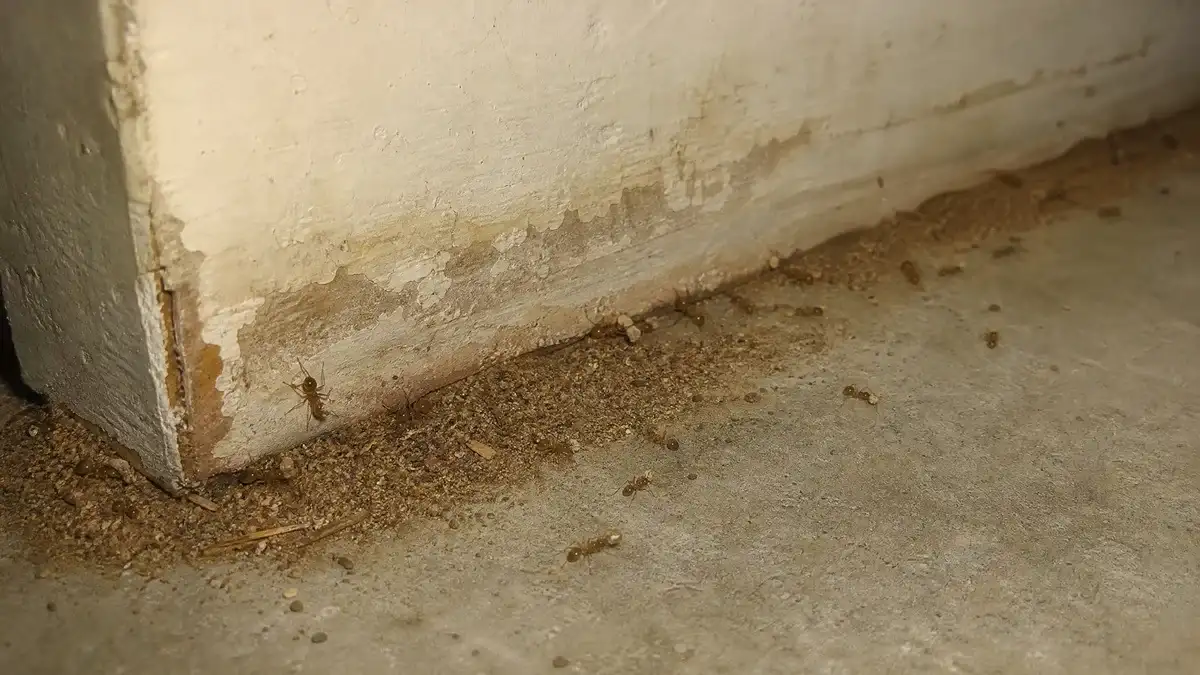
Yellow to dark brown, moisture ants nest specifically in water-damaged or decaying wood, often carrying soil into the structure to build their nest. Finding soil near baseboards or on a basement floor can be a sign of a moisture ant problem — and usually points to a leak worth fixing.
Thief Ant
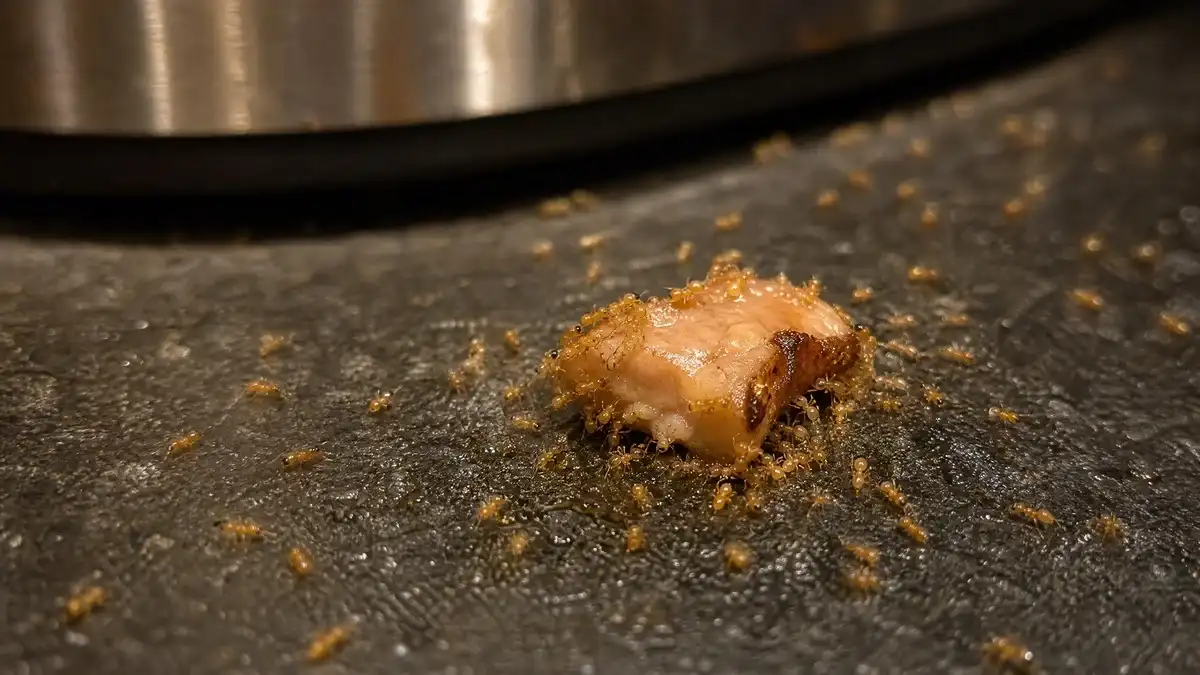
Very small and yellow to light brown, thief ants often nest near or even inside the nests of other ant species. Indoors, they’re drawn to greasy or protein-based foods and are hard to spot because of their tiny size. They can be difficult to trace because they often nest close to other ant colonies.
Crazy Ant
Dark brown to black with a grayish sheen, known for its erratic, jerky movement while searching for food. Nests under floors or carpeting indoors, and in shallow soil under objects outdoors. Not dangerous, but can become a persistent nuisance once inside.
The Different Types of Ants in a Colony
Every colony runs on a few defined roles. The queen is the only ant that lays eggs and can live for years. Worker ants — the ones you actually see — are all female and handle foraging, building, and feeding the colony. Soldier ants, found in some species, are larger and defend the nest. Male ants exist briefly, with one job: mating with a new queen before dying within days.
Is there a king ant? Not really. Ants don’t have a ruling king the way some insects do — the queen is the central figure, and males only stick around long enough to mate.
Types of Ants by Size
Size is a useful first clue, but it won’t identify a species on its own.
| Size Category | Length | Example Species |
|---|---|---|
| Tiny | Up to 1/16″ | Pharaoh ant, ghost ant |
| Small | 1/16″ – 1/8″ | Little black ant, odorous house ant, pavement ant |
| Medium | 1/8″ – 1/4″ | Fire ant, argentine ant, sugar ant |
| Large | 1/4″ – 1/2″ | Carpenter ant, field ant |
Several species overlap in size, which is why color, smell, and nesting habits matter just as much as measurements.
🔎 Interesting Fact: Army Ants Unlike the ants above, army ants skip the fixed nest entirely. They form temporary shelters called bivouacs, where workers link together to shield the queen and larvae while the whole colony moves in search of food. Found mainly in tropical regions of Central America, Africa, and Asia, they hunt in large, coordinated groups. Most homeowners in temperate climates will never see one.
What Are Flying Ants?
Flying ants aren’t a separate species — they’re reproductive ants (queens and males) that grow wings for one purpose: starting new colonies during a mating event called a nuptial flight, usually on warm, humid days after rain. Once mating is finished, the queen breaks off her own wings to start a nest nearby.
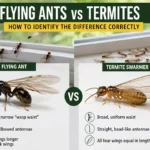
Flying ants are frequently mistaken for termites since both swarm around the same time. Here’s how to tell them apart:
| Feature | Flying Ants | Termites |
|---|---|---|
| Waist | Pinched, narrow | Straight, no pinch |
| Wings | Uneven length (front longer) | Equal length |
| Antennae | Bent (elbowed) | Straight |
| Body Color | Usually darker | Usually pale |
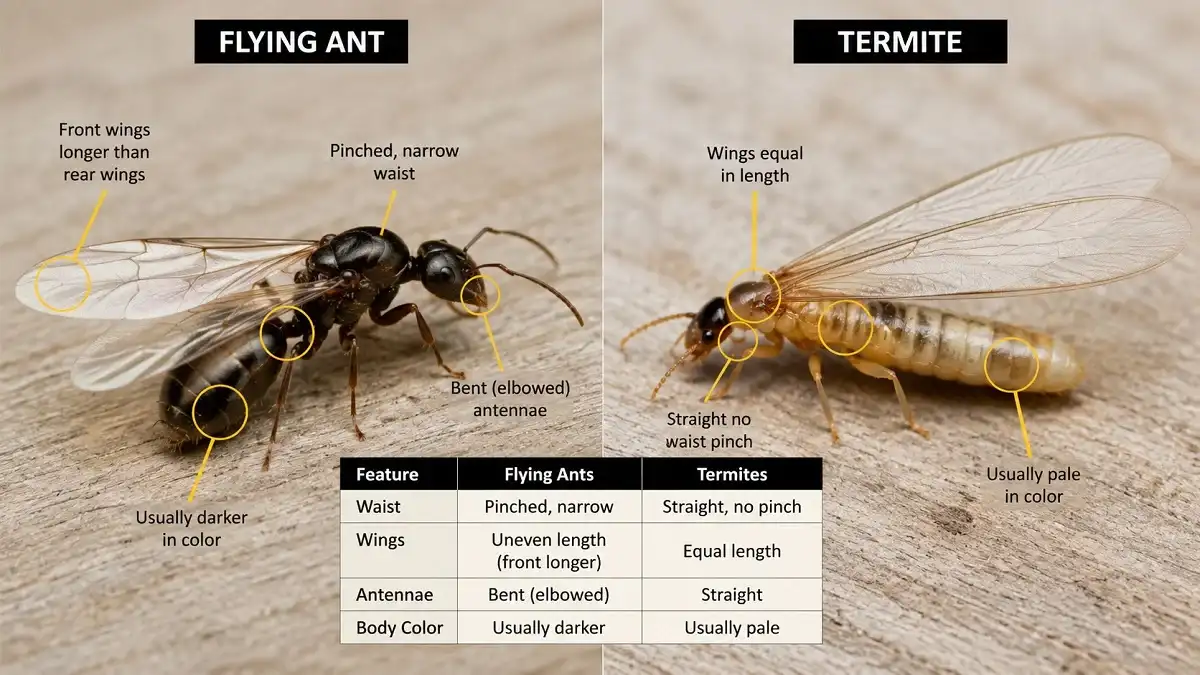
Key takeaway: Seeing winged ants indoors doesn’t always mean termites — check the waist and wing length first before assuming the worst.
Common Identification Mistakes
A few mix-ups come up often:
- Flying ants vs. termites — check the waist and antennae shape from the table above; it’s the fastest way to tell them apart.
- Sugar ants vs. carpenter ants — sugar ants are much smaller and lack the carpenter ant’s wood-tunneling behavior.
- “Odorous” vs. “sugar” ants — these names get used interchangeably online, but they aren’t always the same species; the coconut smell test is the more reliable identifier.
How to Identify Different Types of Ants
Run through this checklist when you’re not sure what you’re looking at:
- Size — barely visible or noticeably large?
- Color — black, brown, reddish, or translucent?
- Smell — strong odor when crushed?
- Nest location — soil, wood, pavement, or wall void?
- Wings — present, and if so, when did you see them?
- Food attraction — sugar, grease, or protein?
Three or four of these clues are usually enough to narrow down the species.
Which Types of Ants Are Harmful?
Most household ants are more nuisance than genuine threat, with a couple of exceptions.
| Species | Danger Level | Property Damage | Can Sting | Should You Worry? |
|---|---|---|---|---|
| Carpenter Ant | Moderate | Yes, over time | No | Yes, long-term |
| Fire Ant | High | No | Yes, painful | Yes, especially with kids/pets |
| Odorous House Ant | Low | No | No | Not really |
| Pavement Ant | Low | No | Rarely | Mostly harmless |
| Little Black Ant | Low | No | No | Mostly harmless |
| Argentine Ant | Low | No | No | Persistent, not dangerous |
Key takeaway: Fire ants are the one to genuinely watch out for. Carpenter ants are worth monitoring for wood damage. The rest just require patience.
How to Get Rid of Common Household Ants
The right first step depends on the species you’re dealing with.
| Species | Best First Step |
|---|---|
| Carpenter Ant | Fix moisture issues; trim branches touching the house |
| Fire Ant | Avoid disturbing the mound directly |
| Odorous House Ant | Clean spills quickly; store food in sealed containers |
| Pavement Ant | Seal cracks in driveways and foundations |
| Pharaoh / Ghost Ant | Go slow — disturbing them can split colonies further |
Key takeaway: Most ant problems shrink on their own once moisture, food access, and entry points are addressed — no need to overcomplicate it. For a full room-by-room action plan, check out our complete guide on how to get rid of ants permanently in your house.
Ant Photo Gallery
For quick visual identification, here’s what to look for in photos of each species.
| Species | What the Photo Should Show | Best Identifying Feature | Suggested Caption |
|---|---|---|---|
| Carpenter Ant | Large dark ant near sawdust-like debris | Size and dark, segmented body | “Carpenter ant near damaged wood” |
| Fire Ant | Cluster of small ants around a raised soil mound | Reddish-brown color, mound nesting | “Fire ants on a soil mound in grass” |
| Odorous House Ant | Small brown ant foraging near food | Dull brown color, kitchen presence | “Odorous house ant foraging in a kitchen” |
| Pavement Ant | Dark ant emerging from a concrete crack | Small size, pavement nesting | “Pavement ant near a sidewalk crack” |
| Little Black Ant | Tiny ants forming a visible trail line | Solid black color, trail behavior | “Little black ants forming a trail” |
| Flying Ant | Winged ants swarming near light sources | Pinched waist, uneven wing length | “Flying ant swarm near outdoor lighting” |
Frequently Asked Questions
How many types of ants are there?
More than 12,000 species exist worldwide, with over 700 in North America.
What are the three kinds of ants?
Most colonies run on three main roles: queens, workers, and males. Some species add a fourth — soldiers.
What is the king of all ants?
There isn’t one. The queen is the central figure in a colony; males only serve a brief reproductive role.
Which ants damage wood?
Carpenter ants tunnel through wood to build nests, which can weaken structures over years of activity.
How can I identify ants in my kitchen?
Check size, color, and smell first. Small, brown, and coconut-scented usually means odorous house ants; a strong pull toward sugar points to sugar ants.
Final Thoughts
Most ants you’ll come across — including that line crossing your kitchen counter — are harmless, just persistent. A few, like fire ants and carpenter ants, deserve closer attention. Once you know what to look for — size, color, smell, and nest location — telling one species from another gets a lot easier, and you can decide for yourself what, if anything, needs to be done about it.
Related Guides
- How to Get Rid of Ants Permanently in Your House
- Flying Ants vs Termites
- Carpenter Ant Identification Guide
- Fire Ant Identification Guide