Save $200: Use the Same Ant Killer Products That Exterminators Use
Learn which ant killer products exterminators use, how baits and treatments work, and how to control ants at home safely while saving money.

In this guide
- The Difference Between Consumer and Professional Products
- Types of Professional Treatments
- How to Choose the Right Product
- How to Create an Outdoor Perimeter Barrier
- Organic and Non-Toxic Options
- Step-by-Step DIY Strategy for Total Ant Control
- Safety Precautions for DIY Pest Control
- Frequently Asked Questions
- Final Thoughts
When ants invade your home, your first thought might be to call a pest control company. A single visit can cost anywhere from $100 to $300, and an annual contract can easily reach $600 or more.But professional exterminators do not use magic. They use the right method for the ant problem, often including slow-acting baits, targeted treatments, and prevention steps.By learning how these products work and applying them correctly, you may be able to handle a small ant problem yourself and save money. This guide explains what pest control companies commonly use, how to choose the right option, and how to use products safely.
The Difference Between Consumer and Professional Products
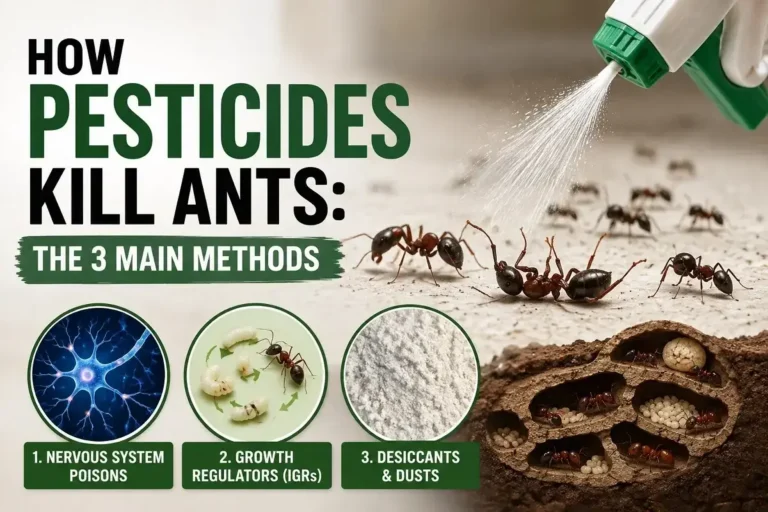
Many store-bought ant sprays are repellents. When you spray an ant with a repellent, it may die instantly. But this only kills the ants you see. The rest of the colony may sense danger, move away, and keep sending out more workers.Professional pest control companies often use an Integrated Pest Management (IPM) approach. They focus on colony control instead of only killing visible ants.This can include non-repellent insecticides and slow-acting baits. Worker ants carry the bait back to the nest and share it with other ants. This gives the treatment a better chance of reaching the colony.
Types of Professional Treatments
Professional exterminators do not just spray everywhere. They use specific treatments based on the ant species, nest location, and size of the infestation.
- Baits: Slow-acting insecticides mixed with food that ants carry back to the colony. This is often the best starting point for indoor infestations.
- Sprays: Liquid products used around entry points, cracks, or outdoor areas. They may kill ants on contact or help reduce new ants entering.
- Granules: Outdoor treatments used around lawns, garden edges, and foundations for certain outdoor ant problems.
- Dusts: Fine powders placed only in suitable cracks and voids where the product label allows it.
Always use a product only as directed on its label. Some professional-grade products may be restricted or unsuitable for indoor use.
How to Choose the Right Product
Not all ants are the same. Pest control companies first identify the ant species because different ants may need different bait types or treatment methods.
| Ant species | Common nesting area | DIY product type | How it works |
|---|---|---|---|
| Sugar ants / odorous house ants | Indoors, walls, floors | Liquid or gel bait | Sweet bait attracts workers, which carry it back to the colony |
| Pharaoh ants / grease ants | Indoors, near pipes and warm areas | Gel bait | Protein and sweet bait options can help target feeding ants |
| Carpenter ants | Wall voids, damp wood | Bait plus moisture repair | Treatment should focus on the nest and the moisture issue |
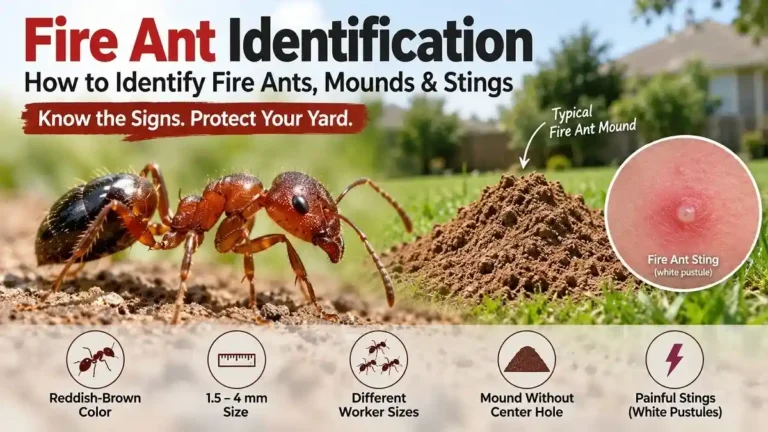
| Fire ants | Outdoor soil mounds | Granular bait | Outdoor bait can help reduce mound activity |
The “Try This First” Approach
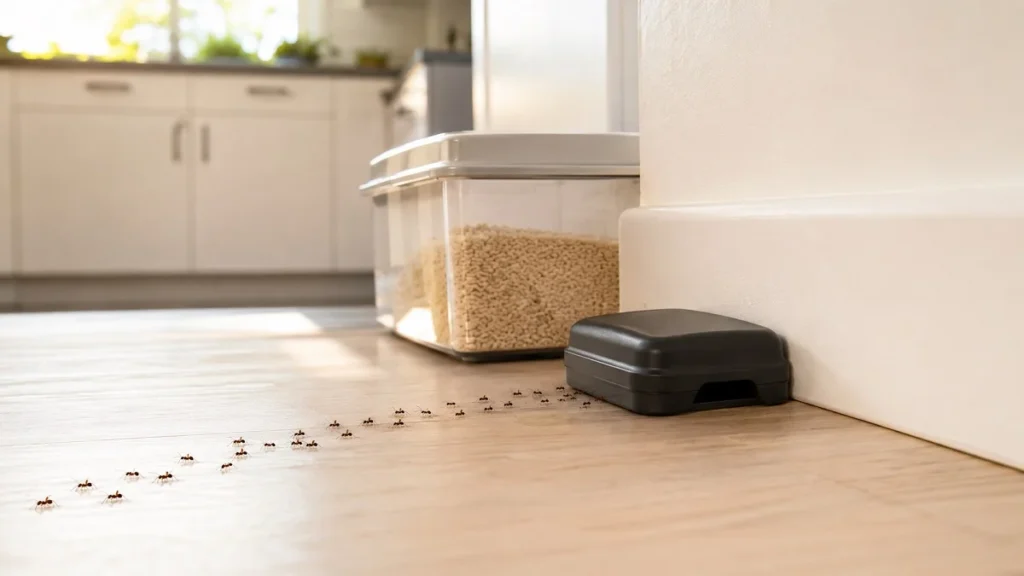
If you do not know what kind of ants you have, start with a slow-acting bait made for indoor ants.Place bait close to the ant trail, but do not spray repellent chemicals near it. Repellent sprays can stop ants from taking the bait back to the colony.You may see more ants around the bait at first. This is often normal because workers have found the food source. Keep the bait available long enough for ants to carry it back.Important tip: Do not remove bait as soon as you stop seeing ants. Follow the product label and allow enough time for the colony to be affected.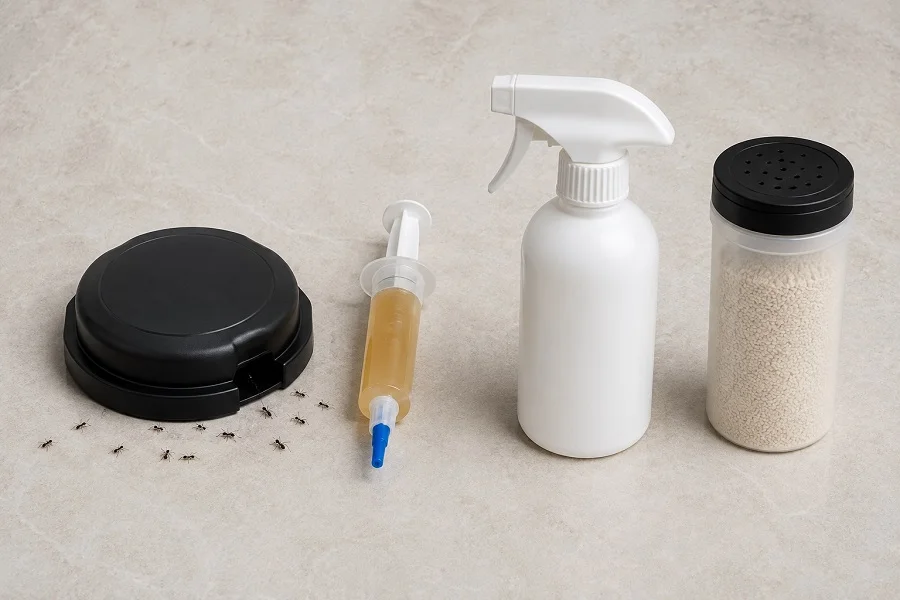
When Bait Fails: The Next Step
Sometimes ants ignore one bait or stop taking it. This can happen because different ant species prefer different foods at different times.Try a different bait type, such as a gel bait or a protein-based bait, rather than applying more spray. If ants continue appearing in several rooms, inside walls, or for weeks after proper bait use, professional help may be needed.
How to Create an Outdoor Perimeter Barrier
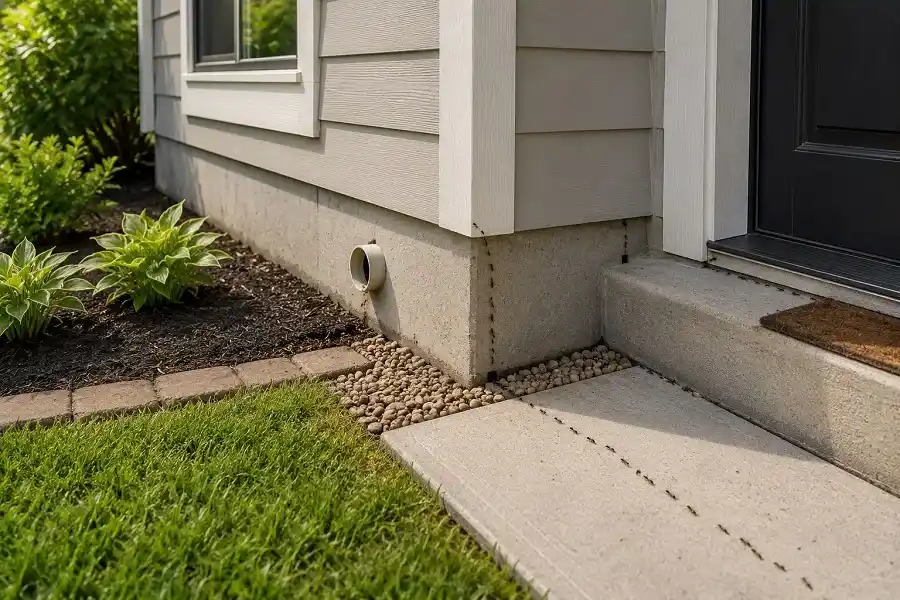
To stop ants from entering your home, focus on outdoor entry points first. Common areas include foundation cracks, door frames, windows, utility pipes, and gaps around siding.A perimeter treatment can help reduce ants near these areas. Use only products labeled for outdoor perimeter use, and follow the label for mixing, placement, and reapplication.You can also reduce ant access by:
- Sealing cracks around doors, windows, and pipes
- Trimming branches and plants that touch the house
- Moving firewood away from the foundation
- Keeping outdoor bins clean and covered
- Repairing leaks near outdoor taps and drains
Organic and Non-Toxic Options
If you have children, pets, or a garden, you may prefer lower-toxicity options.Food-grade diatomaceous earth can kill ants that walk directly through a dry application area. However, it does not reliably eliminate the entire colony because ants do not carry it back to the nest.Natural options can be useful as part of prevention, but they are usually not enough for a large indoor infestation. For a persistent problem, bait is generally more effective because it targets the colony.
Step-by-Step DIY Strategy for Total Ant Control
For the best results, use several steps together instead of relying on one product.
- Identify the trail: Follow the ants to see where they enter and what they are seeking.
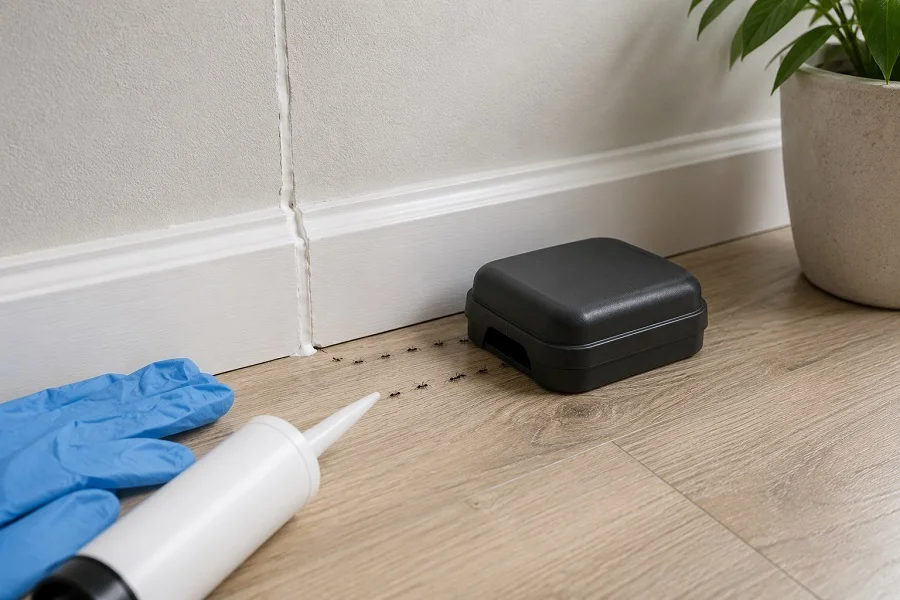
- Use bait correctly: Place slow-acting bait near trails, away from repellent sprays.
- Seal entry points: Use silicone caulk around gaps near windows, doors, and pipes.
- Remove attractants: Clean spills, store food in sealed containers, and empty trash regularly.
- Manage moisture: Repair leaks and dry damp areas under sinks or near appliances.
- Improve the outside area: Trim vegetation away from the house and reduce ant nesting areas near the foundation.
Safety Precautions for DIY Pest Control
Pesticides can be useful, but they must be handled carefully. Always read and follow the product label.
- Keep children and pets away from treated areas.
- Do not use outdoor-only products indoors.
- Place gels and baits where children and pets cannot reach them.
- Wear gloves when mixing or applying products if the label requires it.
- Avoid using more product than directed.
- Do not mix products together.
- Use a dust mask if applying a fine powder such as diatomaceous earth.
If you are unsure about a product, have a severe infestation, or see ants in electrical areas or wall voids, contact a licensed pest-control professional.
Frequently Asked Questions
What products do exterminators use for ants?
Exterminators commonly use slow-acting baits, targeted non-repellent treatments, dusts, and outdoor perimeter products. The best option depends on the ant species and where the colony is located.
What do professional exterminators do for ants?
They inspect the property, identify likely trails and entry points, use a treatment that can reach the colony, and recommend prevention steps to stop new ants from entering.
How much does it cost to have a company spray for ants?
A one-time professional ant treatment may cost around $100 to $300, depending on location, infestation size, and treatment needs. Ongoing plans can cost more.
Do pest control companies spray for ants?
Yes, but spraying is not always the main solution. For indoor ants, professionals often use bait because it can reach the colony. Outdoor sprays may be used around entry points and the foundation when appropriate.
Can I get rid of ants without calling an exterminator?
A small, early infestation can often be handled with proper bait placement, cleaning, sealing entry points, and moisture control. A larger or recurring infestation may need professional help.
Final Thoughts
You do not always need an expensive exterminator visit for a small ant problem. The key is to avoid only killing the ants you see.Use bait to target the colony, seal the entry points, remove food and moisture sources, and improve the outdoor area around your home. When the infestation keeps returning or spreads through several rooms, a licensed professional is the safer next step.

Evan Brooks
Evan Brooks enjoys writing about ants and the way they live, build colonies, and adapt to different environments. His articles cover common ant species, nests, queens, seasonal activity, and everyday questions. He believes simple...
View all guides →